News
Officials, business leaders visit Seattle to share options for dealing with repeat offenders
Posted on
This story was originally published by Q13 FOX TV on Oct. 14, 2019
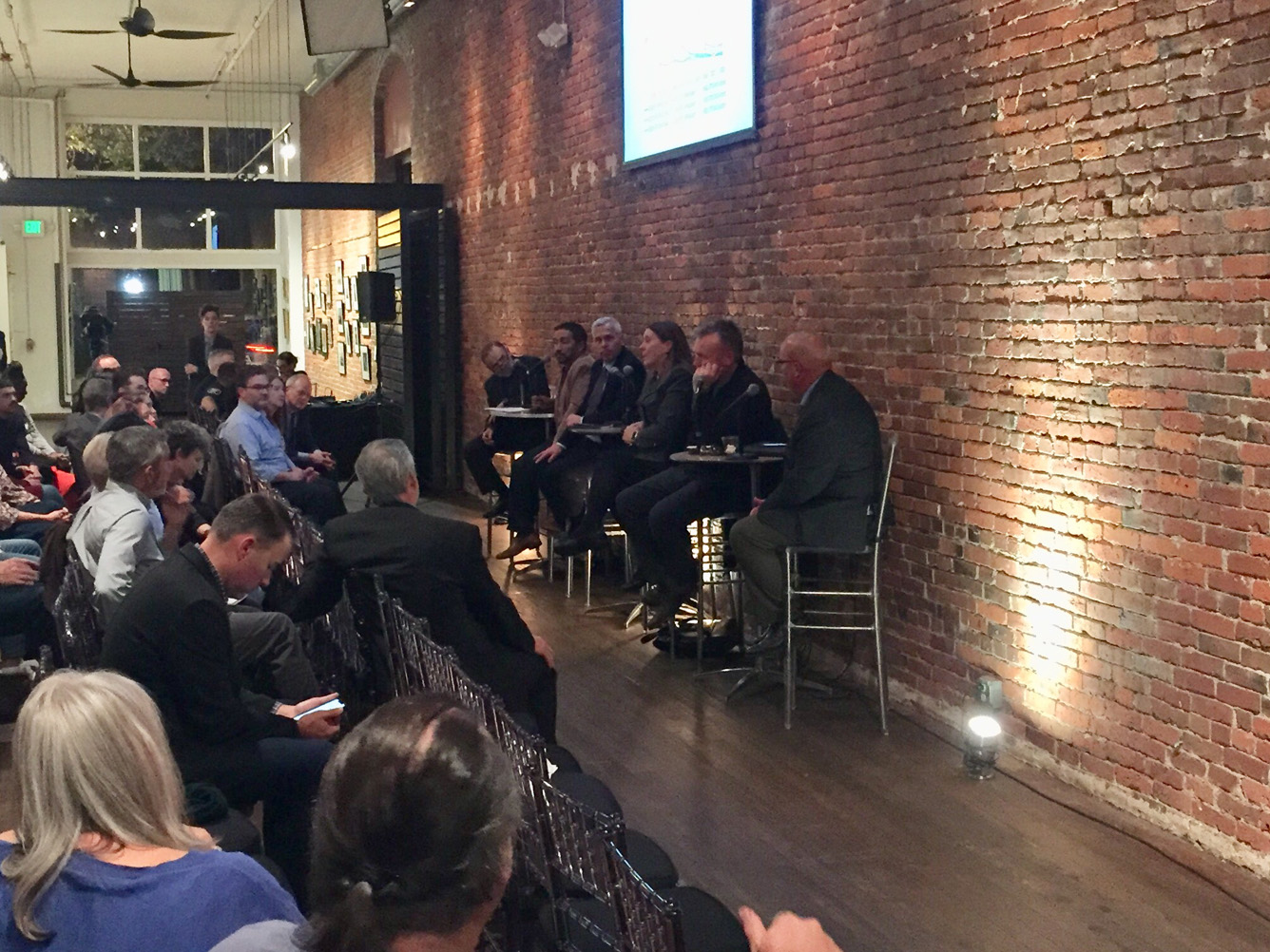
SEATTLE — Seattle business leaders, elected officials and many more are expected to pack a public safety forum to learn how other cities handle repeat offenders.
A pair of reports recently commissioned by a number of Seattle business alliances revealed that 100 repeat offenders repeatedly cycling through the criminal justice system.
A small delegation from Minneapolis, Minnesota visited Seattle Monday to share how they have been able to deal with a high number of people cycling through their criminal justice system
“What success looks like for an individual can be very personalized,” said Heidi Johnston, Assistant Minneapolis City Attorney.
Johnston says her city saw similar issues with repeat offenders – and after nearly 10-years, they may have figured out how to keep many from cycling in and out of jail.
“Last year our number was about 55-percent,” said Johnston. “In the nine years, we’ve been running this program we’ve never dipped below a 50-percent reduction in recidivism.”
According to the ‘System Failure Part 2’ report, 87 of the 100 most prolific offenders in Seattle had been booked back into jail more than 220 times.
The follow-up report claims the Seattle City Attorney’s Office only files charges in almost half of the non-traffic cases referred to prosecutors by Seattle Police. It also says cases languish, taking on average 6 months for prosecutors to pursue charges.
“We’re hoping this starts off a conversation about more of the system issues that we’re seeing,” Don Blakeney from Downtown Seattle Association told Q13 News in September. “We’re seeing that circling around the City Attorney’s Office and their unwillingness to take cases and find a meaningful resolution.”
For nearly ten years, officials in Minneapolis battled similar problems but claim to have made significant impacts using public-private partnerships with businesses and government, along with enhanced probation and court programs, outreach services and nearly immediate notification when a repeat offender is re-arrested.
“Some of the failures that Seattle has experienced aren’t necessarily failures they just haven’t connected all the pieces together in a more meaningful way yet,” said Johnston.
But one of the biggest battles, seen in both Seattle and Minneapolis, is housing, officials say. Finding safe, permanent housing for our region’s most vulnerable could make a significant impact.
“We’re learning some lessons learned from Seattle, too, with some similarities on is the lack of affordable housing,” said Shane Zahn with the Minneapolis Downtown Improvement District. “We’re hopefully going to meet with your LEAD group tomorrow to understand what worked really well, and maybe didn’t work so well.”