News
Recent Data Point to Shifting Employment Landscape in Seattle
Posted on
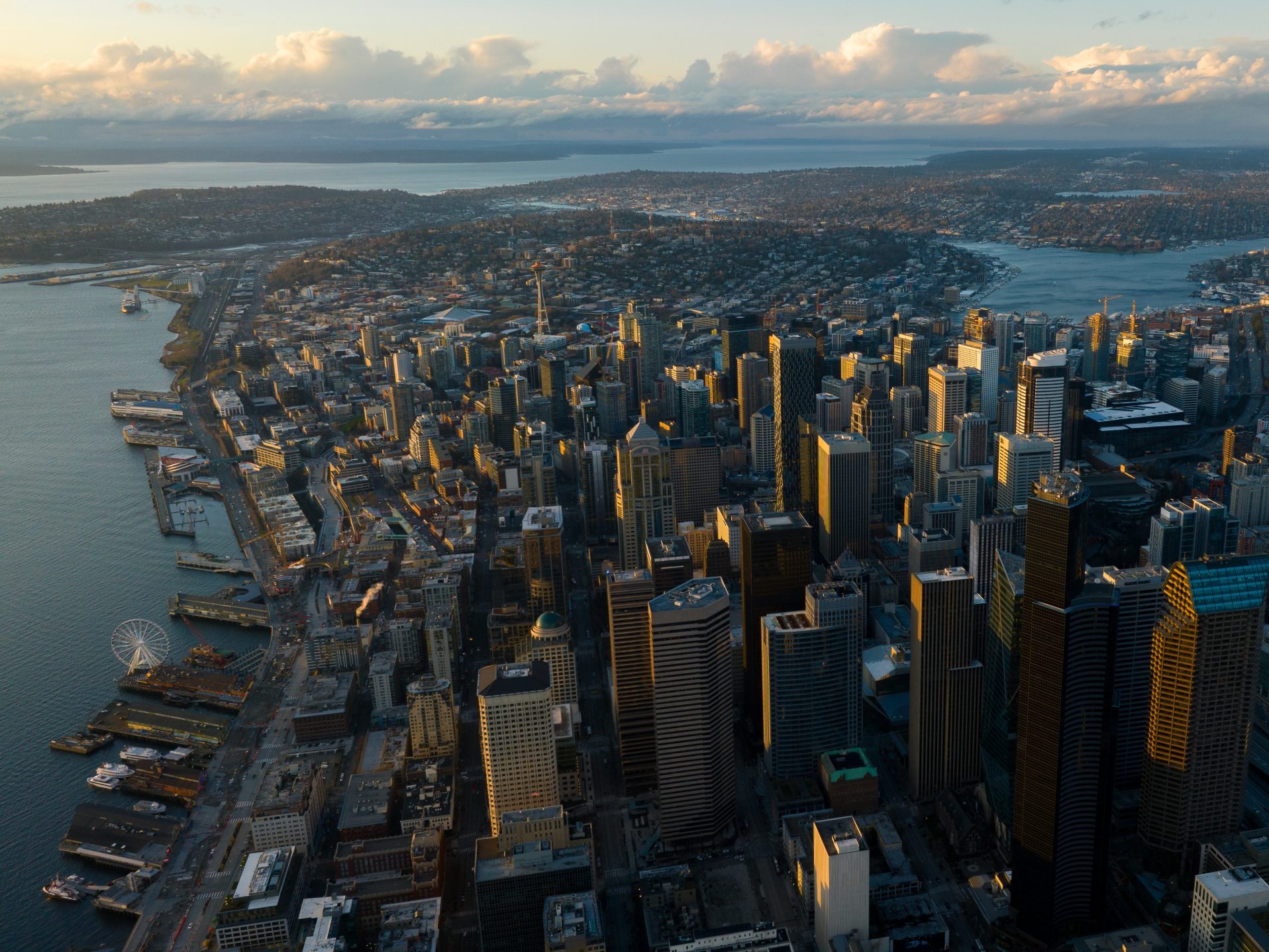
SEATTLE, Sept. 30, 2026 — Downtown Seattle remains the region’s largest employment center, but new analysis from the Downtown Seattle Association shows significant job losses in the city center and underscores the need for renewed focus on Seattle’s economic competitiveness.
The analysis comes as the Seattle City Council begins its review of Mayor Katie Wilson’s proposed 2027-2028 budget, which the mayor transmitted Sept. 22. The proposal balances primarily through spending reductions and operational efficiencies rather than an increase to the JumpStart Payroll Expense Tax.
DSA’s report, Seattle’s Shifting Employment Landscape: The Downtown Jobs Struggle, finds that Seattle lost more than 18,000 jobs between 2024-2025. Approximately 13,000 of those jobs — 70% of the citywide decline — were located in downtown. Over the same period, other regional cities, like Bellevue and Tacoma, increased total employment by 5,375 and 662 jobs, respectively.
Between 2019 and 2025, the Puget Sound region ranked 20th in terms of employment growth among the top 30 metros. Some of the 20 ranked above Seattle (1.7%) include:
- Austin (25%)
- Dallas/Fort Worth (14%)
- Nashville (14%)
“Downtown Seattle is still the largest and most important employment center in our region, but these numbers are a clear warning that we cannot take that position for granted,” DSA President & CEO Jon Scholes said. “Seattle needs to be a place where employers want to invest, grow and create jobs. We have tremendous assets — world-class talent, transit, culture and institutions — but we’re competing every day for jobs and investment. The mayor’s proposed budget recognizes that by not adding new business taxes, and that is a helpful signal to employers weighing where to grow. We need a renewed focus on growing our employment base, supporting existing businesses and making Seattle one of the best places in the country to start and grow a business.”
Downtown Seattle continues to host more than 300,000 jobs and has experienced significant gains in residential population, visitation and public safety. But the employment data point to a different trajectory.
The findings place Seattle’s performance in a broader context. Between 2019-2025, the Puget Sound region ranked 20th in employment growth among the nation’s 30 largest metro areas. Regional employment has been nearly flat since 2022.
Downtown workforce levels also remain below their pre-pandemic baseline. The report estimates Seattle’s downtown workforce in 2025 was 22% below 2019 levels, compared with 6% below 2019 levels in Bellevue. Other downtowns, particularly on the West Coast, continue to face similar post-pandemic workforce challenges.
For employers operating downtown, the health of Seattle’s employment base has implications well beyond the office market. A strong employment base also supports the thousands of small businesses, restaurants, retailers, arts organizations and service providers that depend on consistent activity throughout the week.
The findings reinforce DSA’s emerging long-term focus on building the downtown economy — one that retains and grows existing businesses, recruits employers and innovative institutions, supports small and diverse businesses, expands housing and makes it easier to invest and operate in the city center.
“Seattle has reinvented its economy many times, and we have every reason to believe we can do it again,” Scholes said. “This is about competing for the next generation of jobs and investment. The mayor’s proposed budget is a strong foundation, and the coming weeks are a chance to build on it by keeping Seattle a place where employers can invest with confidence. It will take the public and private sectors working together to reduce barriers to investment, support employers and entrepreneurs and ensure downtown remains the economic engine of Seattle and our region.”
###
About the Downtown Seattle Association
Established in 1958, the Downtown Seattle Association is a nonprofit membership organization whose mission is to create a healthy, vibrant downtown for all. By advocating on issues including transportation, economic development and the urban experience, DSA works to ensure that downtown remains a great place to live, work, shop and play for all. DSA also manages the Metropolitan Improvement District, a business-improvement area spanning 300 square blocks downtown.