News
Crosslake Connection to Transform Downtown Transit on March 28
Posted on
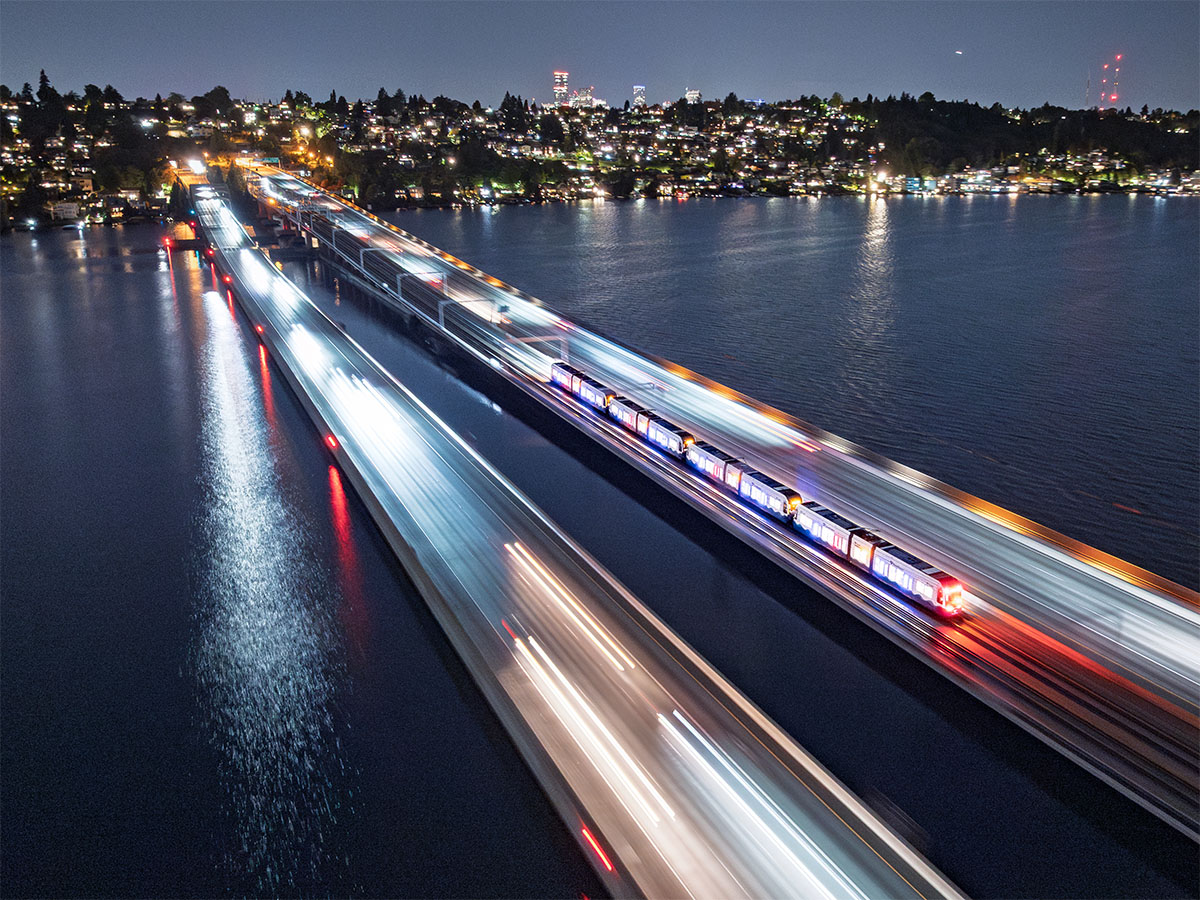
A major milestone for regional mobility arrives March 28, when Sound Transit’s new Crosslake Connection links the Eastside directly to downtown Seattle.
With the connection of the 2 Line into downtown at the International District/Chinatown Station, Link light rail service will expand dramatically through the city’s core. Combined 1 Line and 2 Line trains are expected to run approximately every four minutes during peak hours through downtown Seattle, effectively doubling frequency in the system’s busiest segment. Off-peak service will run every five to 10 minutes, with trains operating from early morning through late night.
The new service will connect downtown Redmond, Bellevue, Mercer Island and Judkins Park to Seattle’s urban core, while maintaining north-south service from Lynnwood to Federal Way. For downtown workers, residents and visitors, the increased frequency means shorter waits, easier transfers and greater reliability.
For employers and property owners, the expansion represents more than convenience — it strengthens downtown’s role as the region’s most accessible hub.
View this post on Instagram
Improved connectivity supports workforce mobility, broadens talent access and makes downtown businesses easier to reach from across the region. As residential growth continues in the center city and on the Eastside, high-frequency transit service becomes even more essential.
DSA partner Commute Seattle is encouraging employers and commuters to plan ahead and take advantage of the expanded service. The organization provides tools, resources and personalized support to help downtown businesses and their employees navigate transit options, reduce drive-alone trips and adapt to service changes.
The Crosslake Connection is a reminder that downtown Seattle sits at the heart of a rapidly evolving regional transportation network. As trains begin running every few minutes through the core, the result will be a faster, more seamless system — one that quite literally brings the region closer together.