News
DSA Releases 2025 Year-End Development Guide
Posted on
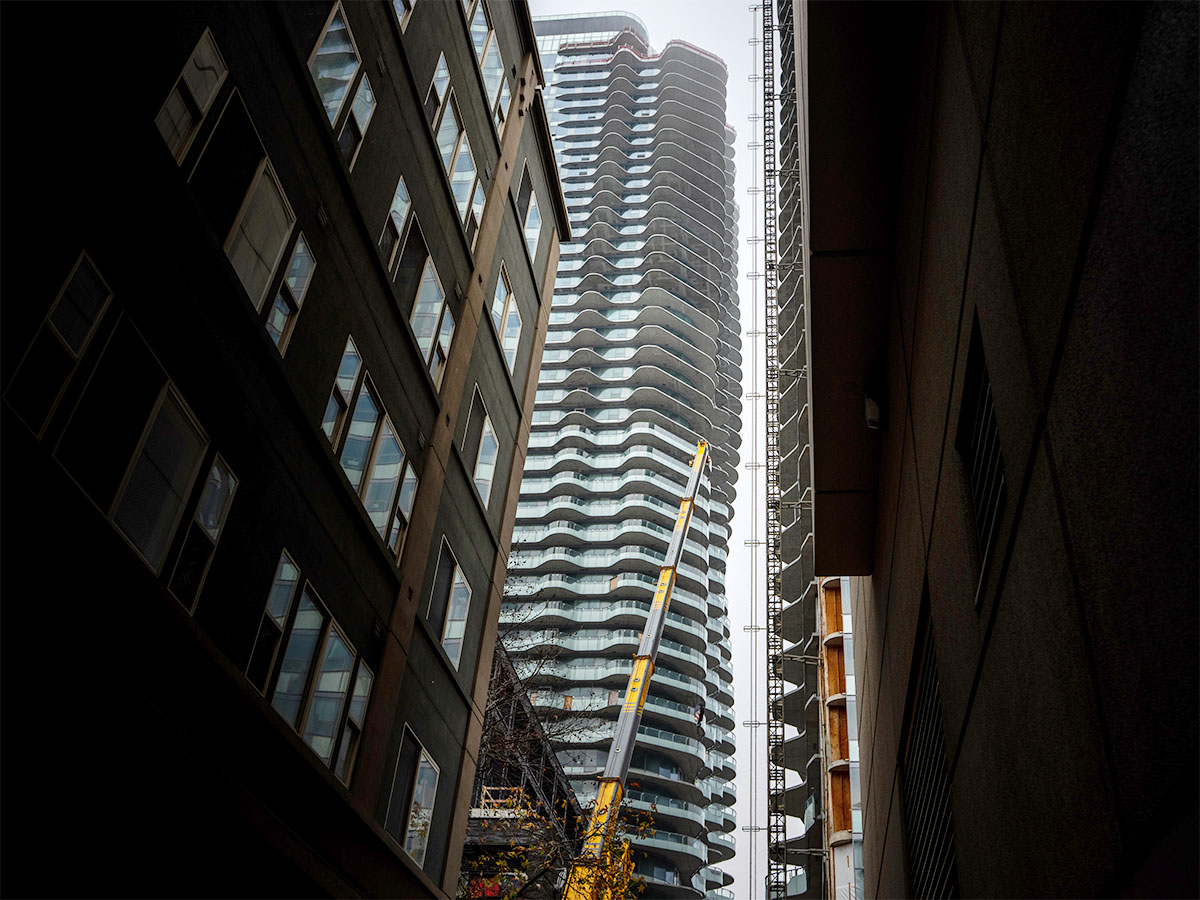
SEATTLE, Jan. 15, 2026 — The Downtown Seattle Association released its 2025 year-end Development Guide, presented by Mortenson, offering a comprehensive look at construction activity, investment trends and downtown Seattle’s position among peer U.S. downtowns. The report highlights downtown’s continued role as the city’s most active residential hub and a key driver of Seattle’s economic recovery.
Seattle remains one of the fastest-growing large cities in the country, growing 2.2% last year, with downtown home to more than one in 10 Seattle residents. In fact, downtown’s residential population is now a record 109,845 people, a 53% increase since 2016. While downtown represents roughly 4 square miles, its 12 neighborhoods account for a significant share of the city’s development activity.
Key findings from the 2025 Development Guide include:
Residential construction leads among peers
- Nearly 8,500 residential units were under construction citywide at the end of 2025, and about 40% were being built downtown.
- Downtown Seattle ranked second among peer downtowns in the number of residential units currently under construction, with 3,325 units underway.
Strong residential delivery in 2025
- Downtown Seattle added more than 1,600 residential units in 2025, ranking third among peer downtowns analyzed.
- Three of the 10 largest residential projects under construction among peer downtowns are located in Seattle.
Downtown remains the city’s most populated neighborhood
- Downtown’s residential population grew to more than 109,000 residents in 2025.
- Newer residents skew younger, more diverse and more likely to be male than the citywide average.
- Downtown’s median age declined to 33.7 years old, with significant growth among residents ages 25–34.
Balanced mix of development supports resilience
- In 2025, downtown Seattle saw the completion of 10 new buildings, including residential projects, a hotel and additional affordable housing.
- As of December 2025, downtown had 12 projects under construction, representing:
- 3,325 residential units
- 247 hotel rooms
- 1 million square feet of commercial space
- Seattle shows a strong mix of residential, hospitality, office, health care and mixed-use projects, supporting a vibrant urban core.
Development pipeline remains substantial, despite permit declines
- Permit applications for new buildings are well below the historic highs seen between 2013–2019.
- The slowdown reflects higher interest rates, rising construction costs and ongoing shifts in office demand.
- Even so, Seattle ranks second among peer downtowns in projects that are proposed or in final planning, signaling continued long-term investor interest.
Office market shows early signs of stabilization
- While office vacancy remains elevated, net absorption turned positive in Q4 2025, the strongest quarterly increase since Q2 2021.
- Worker foot traffic continued to increase, with downtown averaging nearly 150,000 daily workers in 2025.
Street-level vitality continues to build
- Downtown foot traffic increased as local and out-of-town visitors returned at higher rates than in 2024.
- More than 52 new street-level businesses opened in 2025, adding energy and momentum to downtown neighborhoods.
“The past 15 years of downtown commercial and residential development have fueled Seattle’s growth, vibrancy and tax base,” DSA President & CEO Jon Scholes said. “More recently, downtown Seattle has benefited from significant housing production that has produced hundreds of millions of dollars in new tax revenues, created more opportunities for people to ditch their cars and live near transit and generated thousands more customers for small businesses. It’s clear that downtown housing delivers broad benefit, and today a record 109,000 people call downtown home.
“But we know that new housing construction is projected to soon taper off, and we cannot afford to lose momentum given significant challenges in the office sector. Continued investment in housing within downtown is critical to affordability, street-level vitality and Seattle’s long-term economic success. Whether we sustain the incredible development run we’ve had is a policy choice of city leaders who must make it easier and cheaper to build housing. That’s a critical step to truly addressing affordability and accessibility in Seattle and sustaining a strong tax base.”
DSA has tracked development trends since 2005, using comparable data to assess downtown investment and construction activity. The full Development Guide includes peer city comparisons, methodology and a glossary of terms.
###
About the Downtown Seattle Association
Established in 1958, the Downtown Seattle Association is a nonprofit membership organization whose mission is to create a healthy, vibrant downtown for all. By advocating on issues including transportation, economic development and the urban experience, DSA works to ensure that downtown remains a great place to live, work, shop and play for all. DSA also manages the Metropolitan Improvement District, a business-improvement area spanning 300 square blocks downtown.